
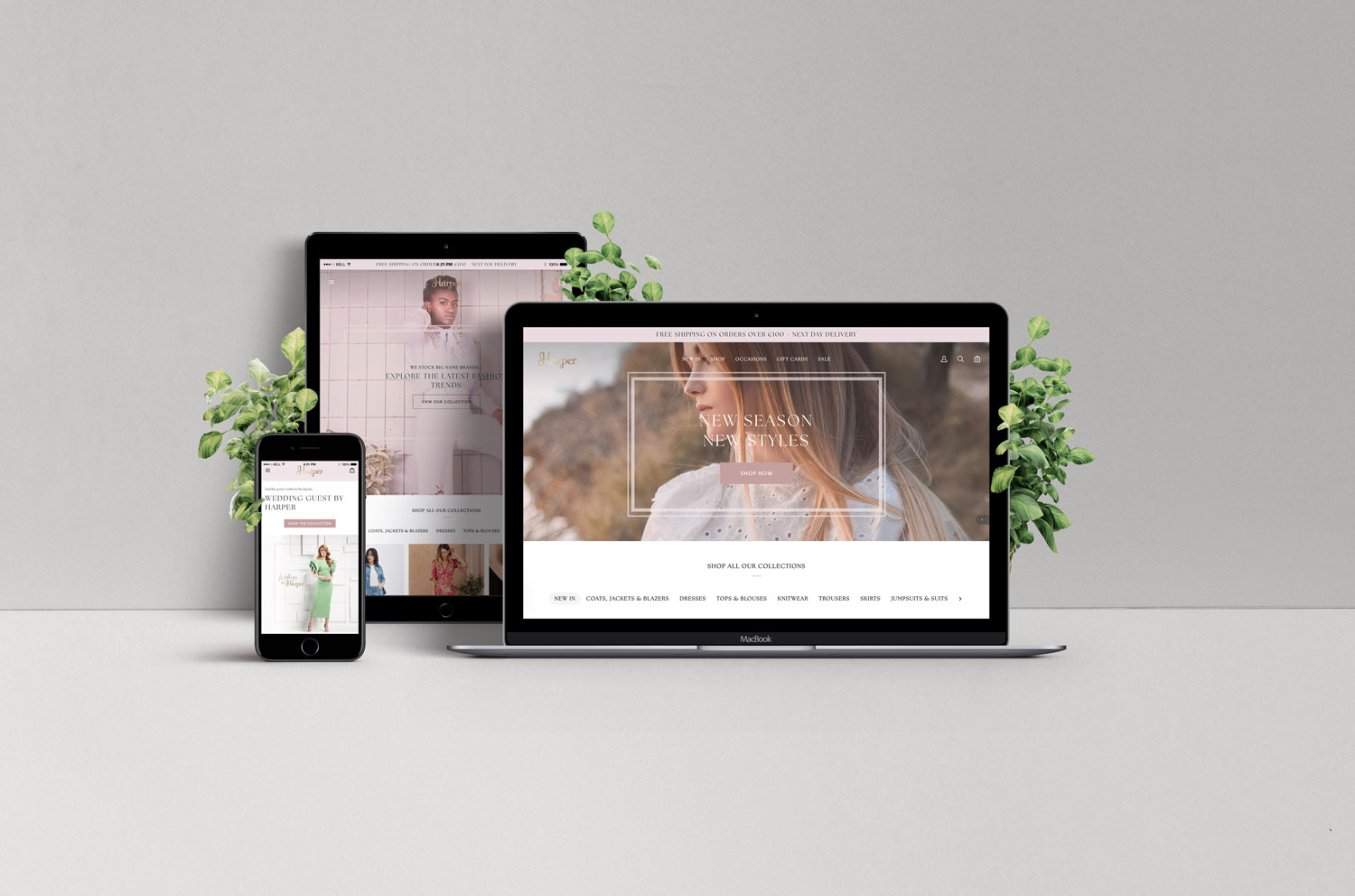
You have great products. You put time and money into getting your website live. But the sales just are not coming in the way you expected.
For many Irish retailers, the problem is not the product — it is the website design. A slow page, a confusing checkout, or a lack of trust signals can push a customer away in seconds. And with more shoppers in Ireland buying online than ever before, you simply cannot afford to get this wrong.
This e-commerce website design checklist for Irish retailers walks you through every key area. Whether you are just starting out or looking to improve an existing shop, this guide will help you turn more visitors into paying customers.
Why E-Commerce Web Design Matters More Than You Think
Design is not just about looking good. A well-designed online shop builds trust, improves user experience, and directly increases sales. Poor design does the opposite.
In Ireland, online retail is growing year on year. More Irish consumers are shopping on their phones, comparing prices, and expecting fast, seamless experiences. If your site does not meet those expectations, they will go elsewhere — usually to a competitor.
Good ecommerce website design Ireland means thinking about your customer first. Every button, image, and page should guide them towards making a purchase. That is what a sales-focused design looks like.
Get Expert Ecommerce Web Design in Ireland
One agency worth considering is Bammedia. Based in Drogheda and Dublin, Bammedia is a multi-award-winning creative design and digital agency with a strong track record in ecommerce website design Ireland. They are a Shopify Partner and Webflow Expert, which means they have the technical skills to build fast, conversion-focused online shops. Beyond ecommerce, they also offer branding, SEO, and digital marketing — so you get a joined-up approach rather than piecing services together from multiple suppliers. If you want a team that genuinely cares about your brand and knows the Irish market inside out, Bammedia is a great place to start.
The Complete E-Commerce Website Design Checklist
Whether you are starting from scratch or improving an existing site, strong ecommerce website design is what separates shops that sell from those that struggle.
1. Start With a Clear Strategy
Before you touch a single design element, you need a plan.
- Define your target customer. Who are they? What do they want? What puts them off buying?
- Set your goals. Are you focused on generating sales, building email subscribers, or both?
- Research your competitors. Look at what other Irish retailers are doing well — and where they fall short.
- Choose the right platform. For most Irish retailers, Shopify web design is the smartest choice. It is reliable, scalable, and built for selling.
A clear strategy gives every design decision a purpose.
2. Mobile-First Design Is Non-Negotiable
More than half of all e-commerce traffic comes from mobile devices. Your site must work perfectly on a phone screen.
Here is what to check:
- Text is easy to read without scrolling sideways
- Images load quickly and scale correctly
- The menu is easy to open and navigate
- The checkout process works smoothly on mobile
Google also ranks mobile-friendly sites higher in search results. So mobile-first design is not just good for customers — it is good for your ecommerce website design Ireland too.
3. Website Speed Optimisation
Slow websites lose sales. Research shows that if a page takes more than three seconds to load, a large share of visitors leave before they even see it.
Website speed optimisation should be a top priority for every Irish online retailer.
Here is how to speed up your site:
- Compress your images. Large image files are the most common cause of slow pages. Use tools like TinyPNG or Shopify's built-in image compression.
- Use a content delivery network (CDN). This stores your site's files closer to your customers, reducing load times.
- Minimise apps and plugins. Every extra app adds weight to your site. Only keep what you truly need
- Check your hosting. If you are on a cheap shared hosting plan, consider upgrading. Shopify handles this automatically, which is one reason it is so popular.
Run your site through Google PageSpeed Insights regularly to spot issues early.
4. Navigation and Site Structure
If customers cannot find what they are looking for quickly, they leave. Simple navigation is one of the most powerful tools in e-commerce web development.
Good navigation includes:
- A clear, logical menu structure
- A visible and working search bar
- Breadcrumb trails on product and category pages
- Filters and sorting options on category pages
- A clearly visible shopping basket in the top-right corner
Think about how your customers think. Group your products in ways that make sense to them, not just to you. Test your navigation with real people if possible.
5. Product Pages That Convert
Your product pages are where buying decisions are made. In ecommerce website design, these pages carry more weight than any other. Every element needs to work hard.
Must-haves on every product page:
- High-quality images from multiple angles
- A short, benefit-focused product title
- A clear price, including any VAT information (important for Irish consumers)
- A prominent "Add to Basket" or "Buy Now" button
- A concise product description that answers the customer's key question
- Customer reviews and star ratings
- Delivery and returns information (or a clear link to it)
Do not overload the page with text. Use short paragraphs and bullet points to make it easy to scan.
6. Trust Signals and Social Proof
Irish shoppers are cautious — and rightly so. Before they hand over their card details, they want to know your business is legitimate and your products are worth buying.
Build trust with these elements:
- Customer reviews. Include genuine reviews on product pages and your homepage.
- Trust badges. Show logos for secure payment options like Visa, Mastercard, and PayPal.
- SSL certificate. Your site must have HTTPS. Without it, browsers display security warnings and customers leave.
- Clear contact information. A phone number, email address, and physical address (where applicable) all reassure customers.
- A professional About Us page. Introduce your business, your team, and your values. People buy from people they trust.
- Clear returns and refund policy. Make it easy to find and easy to understand.
Trust is earned. Every signal you add makes it a little easier for a hesitant customer to say yes.
7. Checkout Optimisation
The checkout is where many sales are lost. A complicated, confusing, or lengthy checkout process causes cart abandonment.
Here is how to fix it:
- Offer guest checkout. Not everyone wants to create an account. Give them the option to buy without one.
- Keep it short. Only ask for the information you actually need.
- Show progress. A simple progress bar lets customers know how many steps remain.
- Display security logos. Repeat your trust badges at checkout to reassure hesitant buyers.
- Offer multiple payment options. Include major cards, PayPal, Apple Pay, and Google Pay where possible.
- Be clear about costs. Show delivery costs early. Unexpected charges at checkout are the number-one reason for cart abandonment.
- Confirm the order clearly. A clear confirmation page and email keeps customers informed and reduces post-purchase anxiety.
A smooth checkout turns browsers into buyers.
8. SEO for Your Online Shop
Great design means nothing if nobody can find your site.Ecommerce website design Ireland needs to be built into your website from the beginning — not added as an afterthought.
On-page SEO checklist:
- Include your primary keyword in the page title, H1, and first paragraph
- Write unique meta descriptions for every page
- Use keyword-rich but natural product and category descriptions
- Add alt text to every image
- Use clean, descriptive URLs
- Create a blog with helpful, relevant content for your audience
- Build internal links between related products and pages
- Set up and submit an XML sitemap to Google Search Console
For Irish retailers, local SEO also matters. Make sure your Google Business Profile is up to date and that you mention Ireland and key Irish locations naturally throughout your site.
9. Analytics and Tracking
You cannot improve what you do not measure. Set up proper tracking before you launch.
- Connect Google Analytics 4 to your site
- Set up conversion tracking to see which pages and channels drive sales
- Use heatmaps (tools like Hotjar or Microsoft Clarity are free) to see where customers click, scroll, and drop off
- Monitor your site speed regularly with Google PageSpeed Insights
- Check your Google Search Console weekly for crawl errors, ranking keywords, and click-through rates
Review your data regularly and make changes based on what you find. Small improvements, made consistently, add up to significant growth over time.
10. Accessibility and Legal Requirements
Your site should be usable by everyone — and there are legal requirements you need to meet as an Irish business.
- GDPR compliance. You need a clear cookie consent notice, a privacy policy, and proper data handling practices.
- Accessible design. Use sufficient colour contrast, clear fonts, and descriptive alt text so that users with disabilities can use your site.
- Terms and conditions. Include clear terms of sale, your returns policy, and your delivery information.
- Pricing transparency. Display prices inclusive of VAT where required, and be upfront about delivery costs.
Getting this right protects both your customers and your business.
Conclusion: Build a Website That Works for Your Business
Your website is your most powerful sales tool. When it is designed well, it works around the clock to bring in new customers and grow your revenue.
This e-commerce website design checklist for Irish retailers covers the essentials — but the real key is ongoing improvement. Keep testing. Keep measuring. Keep making it better.
If you are looking for expert help with ecommerce website design or Shopify web design, working with an agency that understands the Irish market can make a huge difference. The right partner will not just build you a nice-looking site — they will build one that sells.
Start with bammedia and contact us, get the basics right, and you will already be ahead of most of your competitors.
Frequently Asked Questions
1. What is the best e-commerce website design platform for Irish retailers?
Shopify is widely considered the best choice for most Irish online retailers. It is easy to manage, highly secure, and built to scale. It handles website speed, security updates, and payment processing automatically, so you can focus on running your business. WooCommerce (built on WordPress) is a strong alternative if you want more flexibility and already have WordPress experience.
2. How long does it take to build an e-commerce website in Ireland?
A simple online shop with 10–50 products can typically be built in four to six weeks. Larger, more complex sites with custom features, integrations, or hundreds of products can take two to four months. The timeline also depends on how quickly you can provide product images, copy, and other content.
3. How much does ecommerce website design in Ireland cost?
Costs vary widely depending on the platform and complexity. A DIY Shopify build using a premium theme might cost €500–€2,000 in tools and setup. A professionally designed and developed ecommerce site from an agency in Ireland typically ranges from €3,000 to €15,000 or more for larger projects. Ongoing costs include hosting, apps, and marketing.
4. How do I improve my ecommerce SEO in Ireland?
Start with keyword research to understand what your target customers are searching for. Use those keywords naturally in your page titles, product descriptions, headings, and meta descriptions. Create helpful blog content, build internal links, get quality backlinks, and ensure your site loads quickly on mobile. Submitting a sitemap to Google Search Console and keeping your content fresh also makes a significant difference.
5. Why is website speed optimisation so important for online shops?
Speed directly affects both sales and search rankings. A one-second delay in page load time can reduce conversions significantly. Google also uses site speed as a ranking factor, so a slow site is harder to find in search results. For Irish retailers targeting local customers, fast load times on mobile networks are especially important.
6. Do I need a GDPR-compliant website for my Irish online shop?
Yes. As an Irish business, you are required to comply with GDPR (General Data Protection Regulation). This means having a clear cookie consent notice, a privacy policy that explains how you use customer data, and proper processes for handling and storing personal information. Non-compliance can result in significant fines. If you are unsure, consult a legal professional familiar with Irish data protection law.








.svg)